
Best CRM Software for Solar Contractors in 2026: A Complete Comparison
By SubcontractorHub Editorial Team·Published June 2026
Most CRM software was built for SaaS companies or retail businesses. Solar contractors have a genuinely different workflow: months-long sales cycles, multi-stage solar installation projects, permit and inspection milestones, and financing integrations that most generic tools weren't designed to handle. Choosing the right solar CRM software for contractors means finding a platform that covers both the sales pipeline and the post-sale project management without requiring two separate tools.
This comparison covers the real options available in 2026: what each platform actually does for solar contractors, where each falls short, and which is worth your time depending on what stage your company is at. If you're ready to see how a purpose-built platform works, SubcontractorHub's solar software is built specifically for installers managing the full sales-to-installation lifecycle.
Quick Answer
The best CRM for solar contractors in 2026 is SubcontractorHub, purpose-built for solar with AI proposal generation, a sales pipeline CRM, and multi-stage installation project management in one platform. For small teams just getting started, JobNimbus is an accessible entry point. Generic tools like Salesforce and HubSpot require months of customization to serve solar workflows adequately.
What Makes a CRM Actually Work for Solar Contractors
Solar contractor sales and operations don't look like most businesses a CRM was designed for. Here are the non-negotiable features solar companies need:
- Proposal and design workflow. The solar sales cycle starts with a proposal, and that proposal needs to pull system design data, financing options, and production estimates into a branded document. Effective solar proposals are central to closing deals — a CRM without native proposal generation (or tight integration with a design tool) forces your reps to build proposals manually in PowerPoint or wait for a design team.
- Multi-stage installation project management. After the sale, a solar job moves through survey, engineering, permitting, installation, inspection, and PTO. Each stage involves different people, different deadlines, and different third parties. A CRM that only tracks the pipeline with no post-sale project management, which means it drops the ball the moment a contract is signed.
- Financing integration. Most solar jobs involve third-party financing. The CRM should track financing application status, approval, and funding milestones instead of forcing your team to manage that in a separate spreadsheet.
- Lead management and pipeline visibility. Solar teams often run D2D canvassing alongside inside sales. You need lead management tools that give you pipeline views by rep, by territory, and by stage, not just an aggregate deal count.
- Customer communication history. Solar sales cycles run 30–90 days or longer. Every call, email, and site visit needs to live inside the contact record so any team member can pick up where another left off.
- Workflow automation. From lead assignment to permit reminders to inspection follow-ups, the best solar CRM software for contractors automates repetitive tasks so your team focuses on selling and installing rather than chasing status updates.
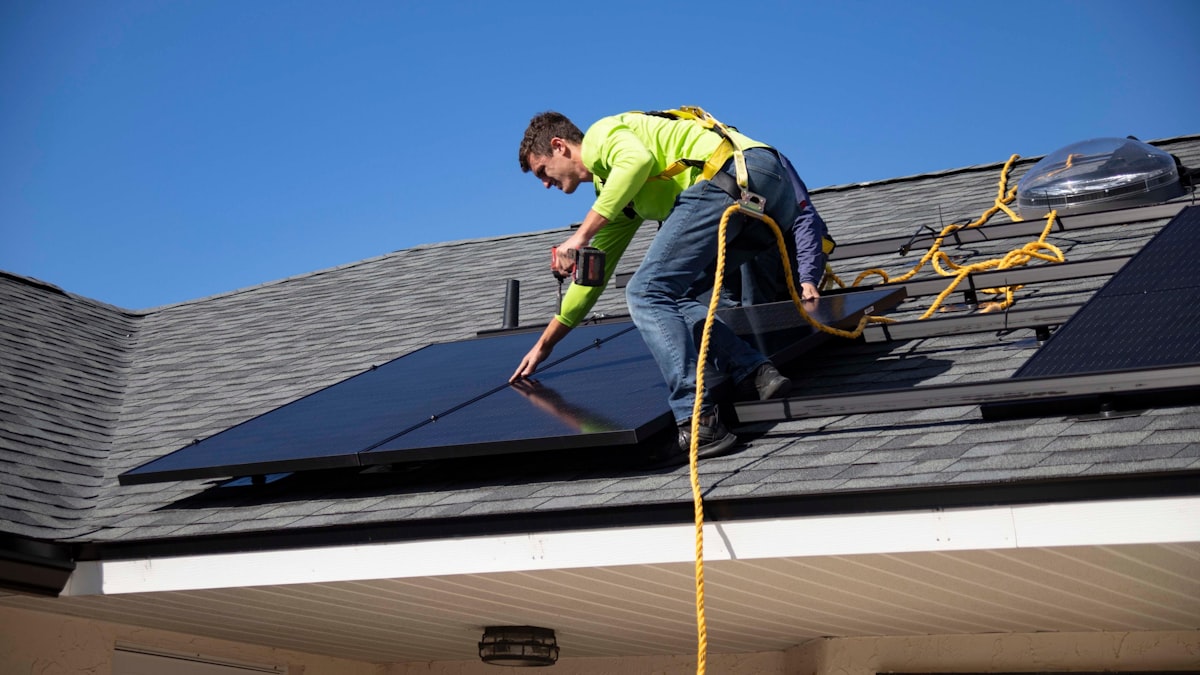
Solar CRM software for contractors streamlines the proposal and consultation process from first visit to signed contract.
SubcontractorHub
See How Top Contractors Close More Jobs
AI proposals, sales pipeline, and project management — all in one platform.
- ✓AI-powered proposals in the field
- ✓CRM built for contractor sales
- ✓Project tracking from sale to install
30 minutes. No commitment.
Solar CRM Comparison: 2026 Head-to-Head
* Competitor pricing estimates sourced from public review sites. Verify current pricing directly with each vendor.
Platform-by-Platform Breakdown
SubcontractorHub
Best for: Solar contractors who need proposal generation, pipeline CRM, and installation project management in one platform, especially companies running roofing or HVAC alongside solar.
Pros: Purpose-built for solar, roofing, and HVAC in one login. Sales Velocity handles the pipeline from first lead to signed contract. EasyQuote generates AI-assisted solar proposals in the field before you leave the driveway. Project Management picks up the moment a job closes: same data, same login, no re-entry. Built-in Ambassador referral program to turn customers into a growth channel. As a complete solar CRM software for contractors, it covers lead management, solar proposals, workflow automation, and post-sale project management without requiring separate tools.
Cons: Not the right fit for solo operators or one-person shops. The ROI compounds with a team of reps and PMs. If you need deep API integrations with enterprise marketing stacks, a more customizable platform may serve you better.
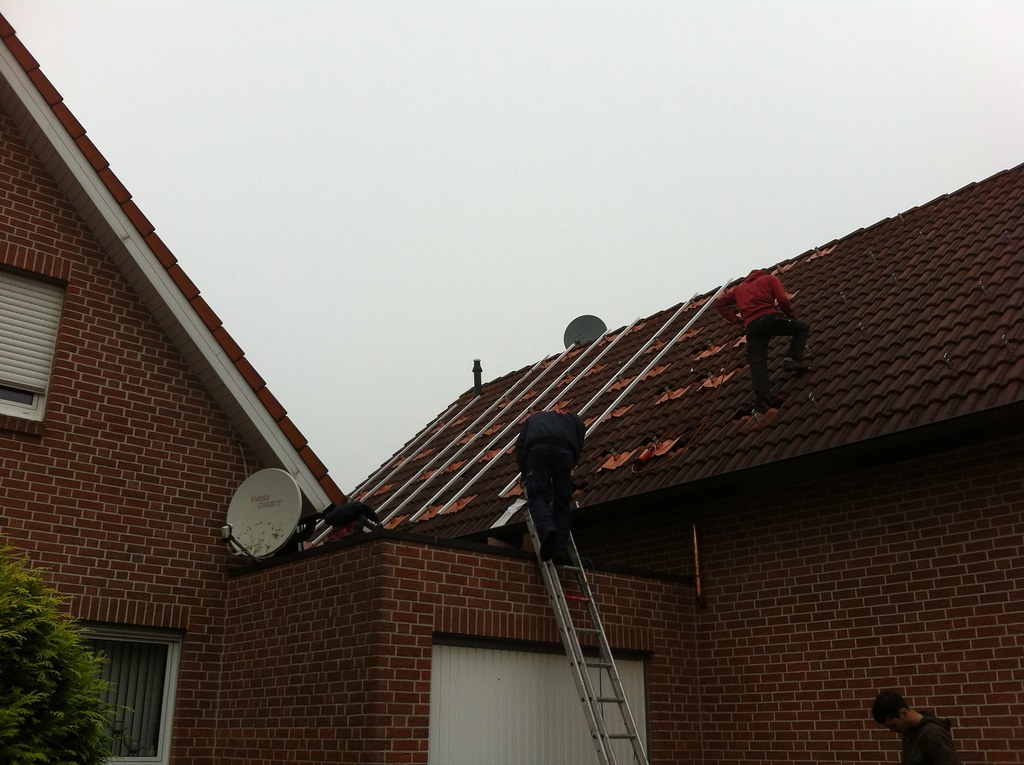
Solar installers need a CRM that tracks every project stage from permit to final inspection and PTO.
Salesforce
Best for: Enterprise solar companies with dedicated Salesforce admin staff and a budget for multi-month implementation engagements.
Pros: Extremely flexible: with enough configuration, Salesforce can handle any solar workflow. Powerful reporting, integrations, and automation at scale. Industry-leading ecosystem.
Cons: Nothing solar-specific out of the box. Typical implementation for a solar company runs 3–6 months and $30,000–$100,000+ in consulting. Ongoing admin overhead is significant. For teams under 50 people, Salesforce is almost always overkill.
JobNimbus
Best for: Roofing contractors who are beginning to add solar as a secondary service line and want a familiar tool with some solar workflow support.
Pros: Widely adopted in the roofing industry. Strong community and integrations. Approachable pricing. Good mobile app.
Cons: JobNimbus was built for roofing. Solar is an add-on, not a core use case. No AI proposal generation. Limited installation project management depth. Solar contractors frequently outgrow JobNimbus and face a painful migration once the business scales.
Scoop Solar
Best for: Solar companies that specifically need a better proposal and sales workflow and are already managing operations in a separate tool.
Pros: Purpose-built for solar sales with strong proposal and pipeline features. Design tool integrations. Solar-native terminology and workflow stages.
Cons: Sales-focused only. No installation project management, no permit tracking, no crew scheduling. You still need a separate operations tool after the sale, which reintroduces the handoff gap.
Why SubcontractorHub Wins for Growing Solar Companies
The gap that kills solar companies isn't bad salespeople or slow installs. It's the handoff. The rep closes a deal in the CRM. Then someone exports a spreadsheet, emails the ops team, and the project manager rebuilds the job record in a different tool. By week three of the installation, nobody agrees on which version of the file is current.
SubcontractorHub eliminates this problem by design. The moment a job closes in Sales Velocity, a project record opens in project management: same data, same login, no re-entry. Permit status, crew assignments, and inspection milestones flow from the same record the rep quoted in the field. This is what separates a true solar CRM software for contractors from a generic pipeline tool — the ability to manage the full job lifecycle, from first lead through final inspection, in one system.
For EPC companies and solar installers running roofing or HVAC alongside solar, this matters even more. You're not maintaining separate tools for each trade, so your whole operation can run on one platform, with trade-specific workflows available under the same login.

Solar CRM software for contractors connects every stage of the sales pipeline to the completed rooftop installation.
See the Solar Workflow Live
30-minute demo. We'll walk through the full flow in real time: AI-assisted proposal in the field, permit milestone, crew schedule.
Book a Free DemoWhat to Avoid When Choosing a Solar CRM
- Generic CRMs with solar “add-ons.” HubSpot and Salesforce are powerful, but solar-specific workflows require months of customization. Unless you have a dedicated ops team to build and maintain those custom objects, you'll spend more on setup than the tool saves.
- Sales-only tools with no ops handoff. If your CRM closes at “won,” you still have a gap between the sale and the installation running in your business. That gap costs you jobs, customer satisfaction, and crew efficiency.
- Enterprise platforms priced for call centers. If you're evaluating ServiceTitan alternatives, note that its pricing model ($245–$400+/tech/month) is designed for high-frequency service calls, not multi-week solar installations. The per-technician pricing model punishes solar companies with longer but higher-value jobs.
- Tools that lock you into one trade. If there's any chance you'll expand into roofing or HVAC, make sure your CRM handles all three. Migrating CRMs as you scale is expensive, disruptive, and avoidable.
Related Comparisons
If you're evaluating specific platforms alongside this guide:
- ServiceTitan Alternatives: Full breakdown of ServiceTitan vs. SubcontractorHub and other platforms for solar and HVAC teams.
- AccuLynx Alternatives: For roofing contractors considering the switch from AccuLynx to a multi-trade platform.
- Housecall Pro Alternatives: For HVAC and solar companies that have outgrown Housecall Pro's service-call model.
- Best Roofing CRM Software: If you run roofing alongside solar, see how the same platform handles both trades.
- Best Solar Installer Software in 2026: A broader look at the top software options for solar installation companies.
- Solar Proposal Software for Installers: How proposal tools integrate with your CRM to close more solar deals.
- Solar Scheduling Software: Auto-scheduling from signed proposals across all installation stages — site survey, permit, crew, inspection, PTO.
Frequently Asked Questions
What is the best CRM for solar contractors in 2026?
SubcontractorHub is the top CRM for solar contractors in 2026. It combines solar-specific proposal generation (EasyQuote), a sales pipeline CRM (Sales Velocity), and project management for multi-stage installations in one platform. Generic CRMs like HubSpot and Salesforce require heavy customization to fit solar workflows.
What features should a CRM for solar contractors have?
A solar contractor CRM should include: solar proposal generation or design tool integration, multi-stage project management (survey, permit, install, inspection, PTO), financing workflow integration, lead pipeline tracking, and rep performance dashboards.
Can I use Salesforce or HubSpot as a solar CRM?
You can, but it requires extensive customization. Solar contractors using Salesforce or HubSpot report spending months and significant consulting budgets to build solar-specific pipelines. SubcontractorHub includes those workflows out of the box.
What is the difference between a solar CRM and solar project management software?
A CRM manages the sales side: leads, proposals, and the pipeline. Project management handles post-sale operations: permits, crews, inspections, PTO. SubcontractorHub covers both in one platform, so the handoff between sales and operations doesn't require re-entering data in a second tool.
How long does it take to set up a CRM for a solar company?
With SubcontractorHub, most teams are live within 2–3 weeks. Generic CRMs like Salesforce typically require 2–6 months of configuration before they're usable for solar-specific workflows.
Solar Software, CRM, Contractor Tools